Latest on Blog
WordPress Speed Optimization Service

Slow websites lose visitors — fast. Whether you’re running a blog, a business site, or an online store, a sluggish WordPress site can hurt your SEO, increase bounce rates, and cost you conversions. Google prioritizes speed as a ranking factor, and users expect pages to load in under 3 seconds. If your site takes longer,
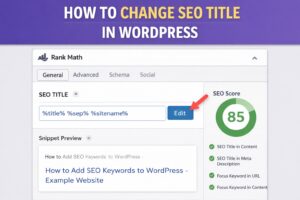
How To Change SEO Title In WordPress
Your page title might look fine on your website, but it’s the SEO title that search engines like Google use to display your page in search results. A clear and optimized SEO title can directly impact how often users click on your link—and how high it ranks. Thankfully, if you’re using Rank Math, changing your
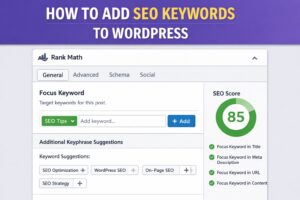
How To Add SEO Keywords To WordPress
Getting your WordPress content seen on Google starts with using the right SEO keywords—and placing them effectively. Keywords help search engines understand what your content is about, making it easier for your pages to appear in relevant search results. But adding keywords isn’t just about stuffing them everywhere. It requires a strategy that balances relevance,
Is WordPress Or Shopify Better For SEO
Choosing the right platform can significantly impact your site’s ability to rank on search engines. For anyone launching a website in 2026 — whether it’s a blog, a business site, or an eCommerce store — SEO remains one of the most effective ways to generate traffic without paying for ads. Two of the most popular
Is WordPress Good For SEO
Search engines are still the gateway to online visibility, and if your website isn’t optimized for them, you’re losing potential traffic, leads, and sales. WordPress is the most widely used content management system (CMS) in the world, powering over 40% of websites globally. But popularity alone doesn’t guarantee performance — especially when it comes to
How To Do On Page SEO In WordPress
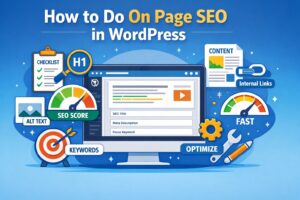
Getting your WordPress site to rank on Google isn’t just about writing content — it’s about making sure that content is optimized for search engines. This is where on-page SEO comes in. By optimizing elements like your titles, meta descriptions, headings, internal links, and more, you increase your chances of appearing higher in search results.